AI in Healthcare Diagnostics: Deep Learning Medical Imaging & Clinical Breakthroughs
Explore how AI in healthcare diagnostics and deep learning medical imaging algorithms detect micro-anomalies in MRI and CT scans with clinical-grade accuracy.

M. Nasir Khan
Chief Executive Officer & AI Engineer • Published October 03, 2026
The Clinical Milestone: AI in Healthcare Diagnostics
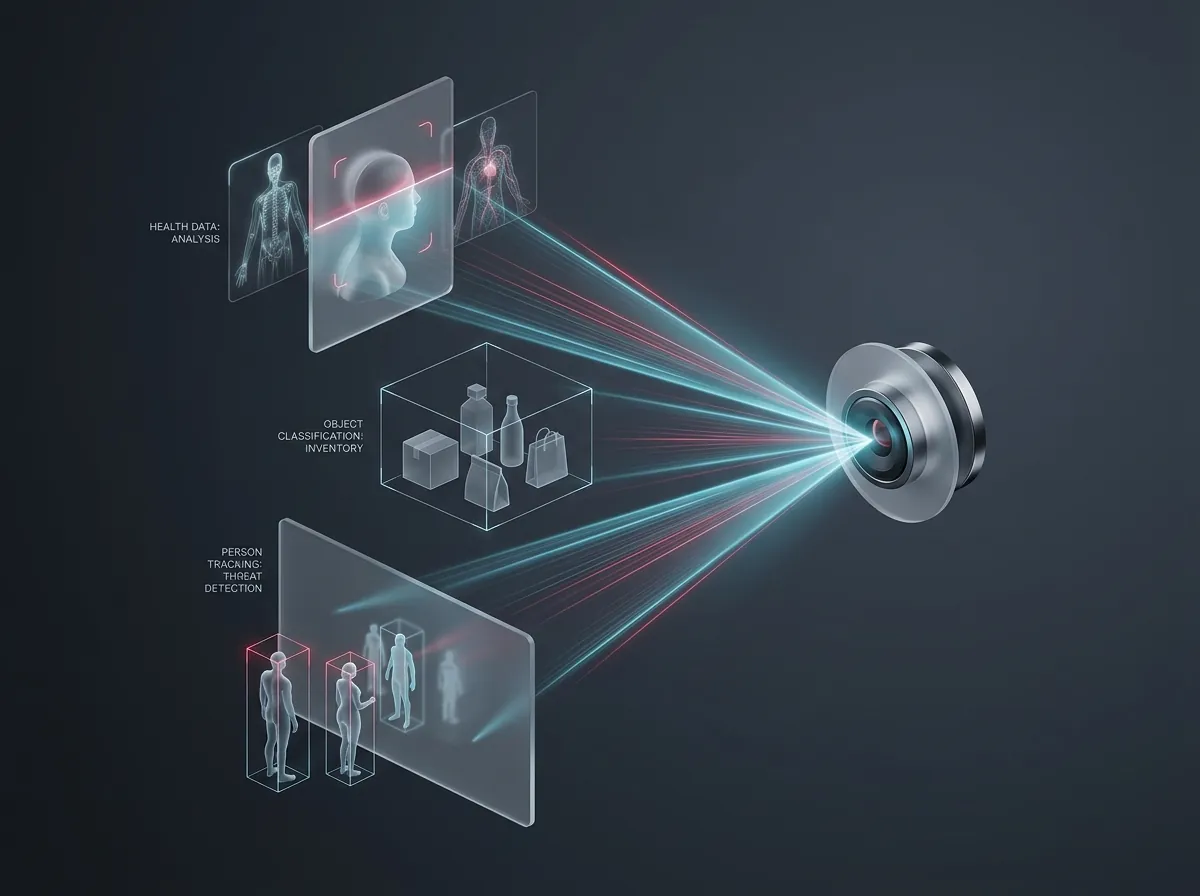
Artificial intelligence has moved from clinical trial experiments into frontline hospital workflows. The adoption of AI in healthcare diagnostics is transforming how physicians detect, triage, and treat critical illnesses.
By leveraging deep learning medical imaging algorithms trained on millions of annotated scans, AI platforms act as tireless diagnostic partners, assisting radiologists in detecting early-stage cancers and neurological conditions before physical symptoms manifest.
Key Clinical Domains Transformed by Medical Vision and LLMs
Medical AI encompasses diverse diagnostic modalities, from computer vision inspection of pathology slides to ambient listening agents that record patient consultations.
Developing compliant medical platforms requires combining specialized AI model development with secure, responsive full-stack web portals for doctors and patients.
Core Diagnostic Applications:
- Radiology & Oncology: Automated segmentation of MRI brain scans, chest CT nodules, and mammography micro-calcifications.
- Remote Patient Monitoring: Real-time telemetry processing from wearable sensors to forecast cardiac arrhythmias and septic shock.
- Ambient Clinical Documentation: Medical LLMs that transcribe doctor-patient conversations and automatically populate EHR charts.
Building Compliant Healthcare Solutions with JabiruLabs
At JabiruLabs, our engineering team adheres to rigorous regulatory standards when building healthcare software. We engineer private, HIPAA-ready AI models and cross-platform telehealth apps for healthcare networks worldwide.
Contact our healthcare AI engineering group to discuss building compliant medical technologies.
Frequently Asked Questions
How does deep learning medical imaging assist radiologists in clinical diagnostics?
Deep learning models analyze high-resolution 3D CT, MRI, and X-ray scans pixel by pixel, highlighting early-stage micro-tumors, pulmonary nodules, and cardiovascular anomalies that might escape the naked eye, reducing diagnostic oversight by up to 35%.
How do medical software developers guarantee HIPAA and patient data privacy?
Healthcare AI applications utilize on-premise edge computing, cryptographic anonymization of DICOM metadata, and zero-retention training pipelines to guarantee strict HIPAA, HITECH, and GDPR compliance.