Computer Vision Applications in Healthcare & Retail: 2026 Edge AI Implementation Guide
Explore high-ROI computer vision applications across healthcare, retail, and security. Learn how real-time YOLO detection and edge AI implementation maximize efficiency.

M. Hamza Noor
Chief Operating Officer & Computer Vision Engineer • Published October 10, 2026
The Industrial Revolution of Computer Vision
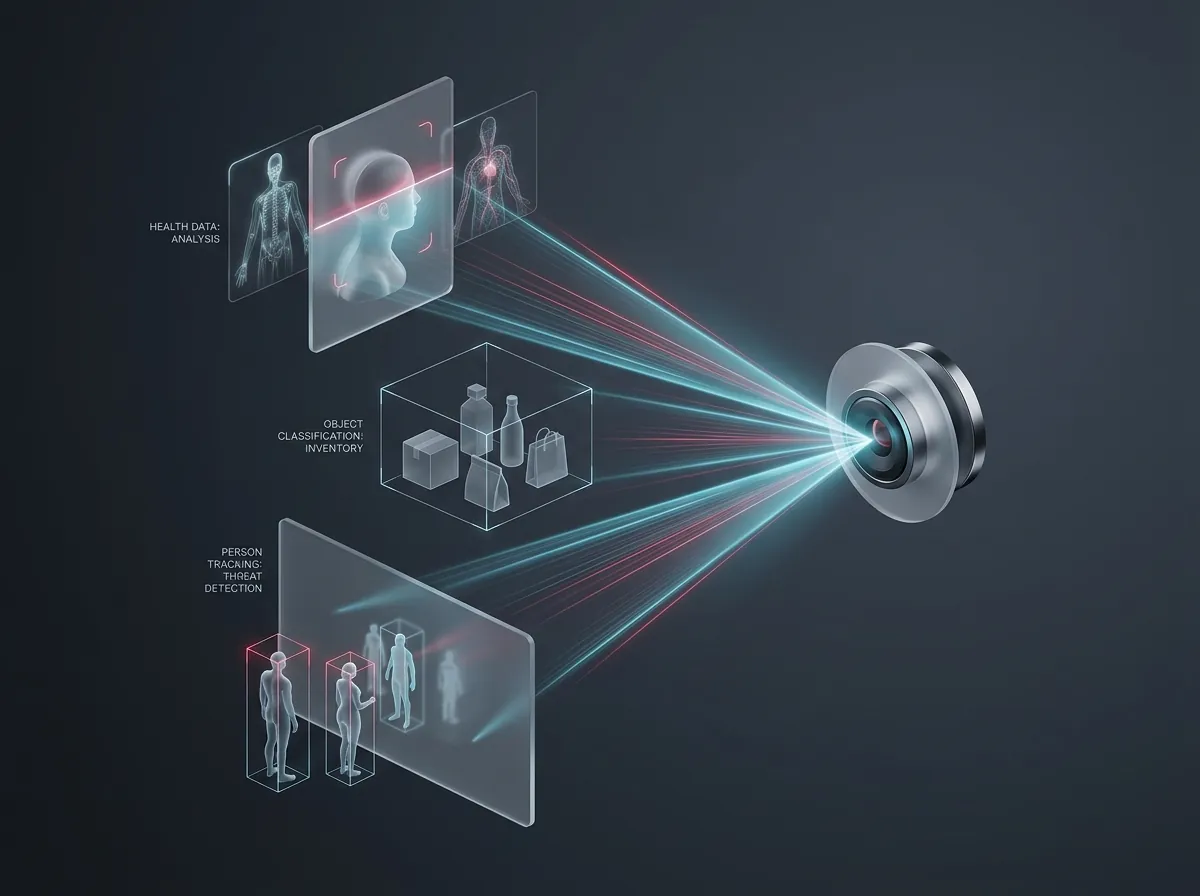
Computer Vision has evolved from academic research labs into one of the most commercially transformative technologies in the world. High-precision computer vision applications allow camera sensors and deep convolutional neural networks to inspect, classify, and track physical environments with superhuman consistency.
From automated anomaly detection on manufacturing assembly lines to clinical diagnostics in healthcare, deploying specialized computer vision applications delivers measurable operational ROI across diverse sectors.
High-ROI Computer Vision Applications Across Core Industries
Businesses are deploying visual AI to automate labor-intensive inspection tasks, safeguard facilities, and eliminate human oversight errors.
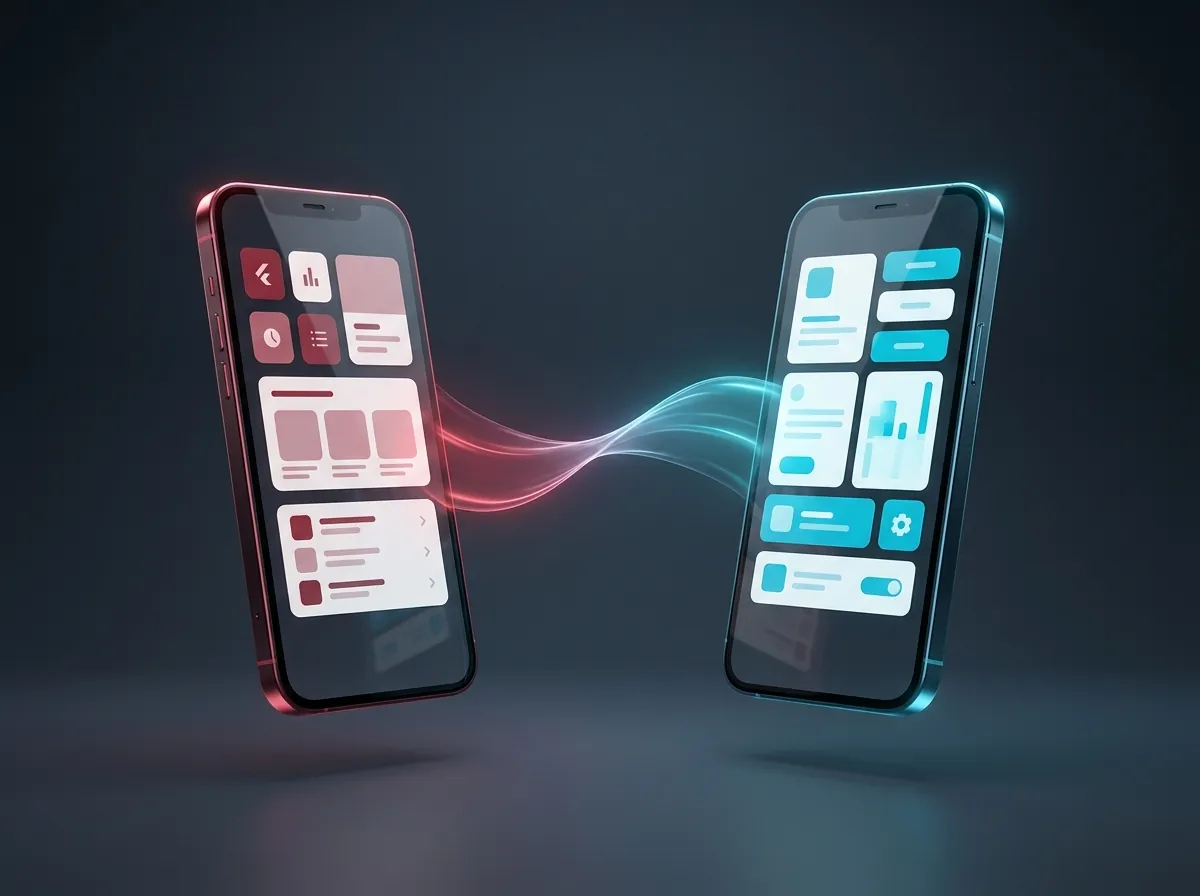
When paired with custom mobile interfaces built via mobile app development, field technicians can receive real-time object classification alerts directly on handheld devices.
| Industry | Computer Vision Applications | AI Model Architecture | Measurable Business ROI |
|---|---|---|---|
| Healthcare | Diagnostic imaging (X-Ray, CT, MRI anomaly detection) | Vision Transformers (ViT) & 3D U-Net Segmentation | Reduces radiologist backlog by 40% with 98.4% recall accuracy |
| Retail & Warehousing | Automated shelf stock tracking & frictionless checkout | YOLOv10 Object Detection & Multi-Object Tracking | Cuts inventory stockout events by 85% and eliminates cashier queues |
| Industrial Security | Automated PPE compliance (helmets, vests, hazard zones) | Real-time Edge YOLO with automated telemetry alerts | Reduces workplace safety insurance liability claims by 65% |
| Fintech & Access | Liveness verification & biometric facial recognition | 3D Face Mesh & Anti-Spoofing Neural Networks | Prevents synthetic deepfake identity fraud during digital KYC onboarding |
Why Edge AI Implementation Beats Cloud Video Streaming
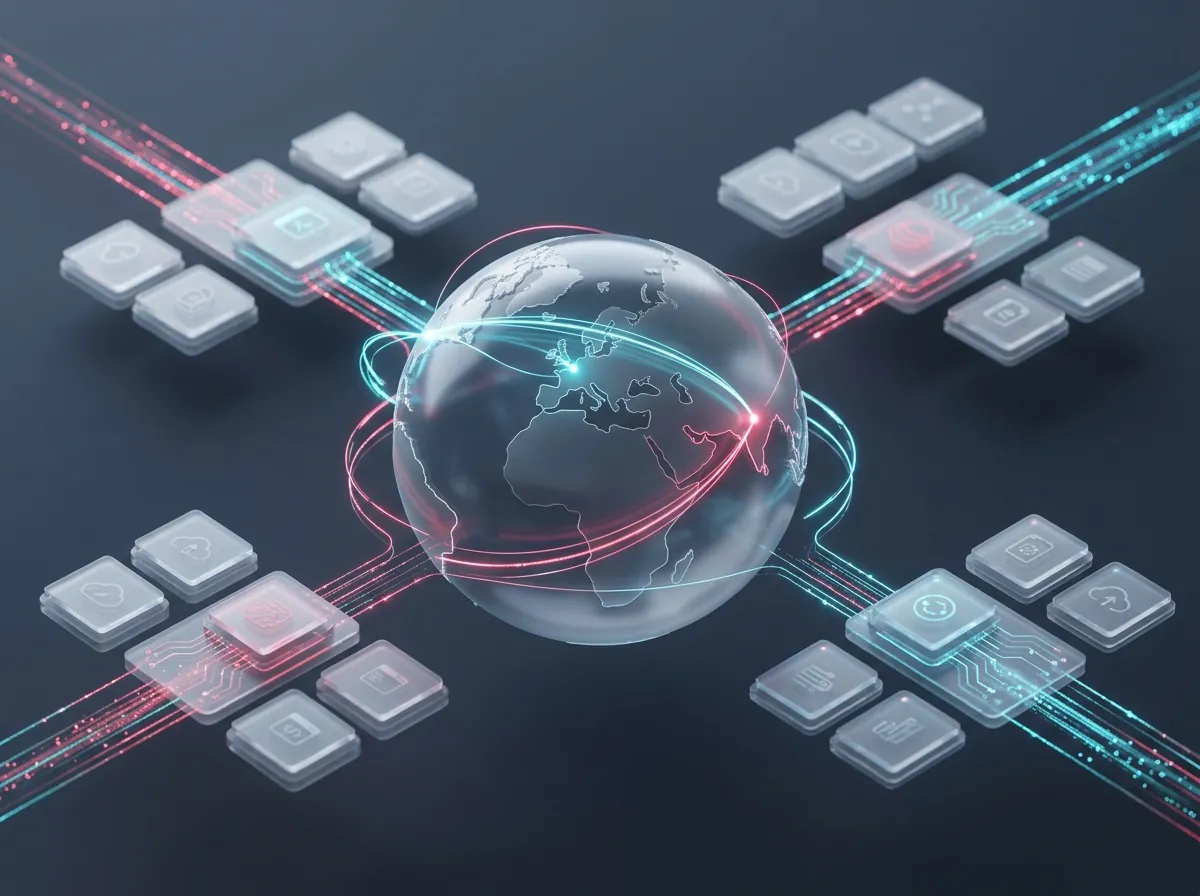
A critical architectural hurdle in deploying visual models is determining where inference occurs. Streaming continuous 4K video feeds from dozens of security cameras to cloud servers generates exorbitant bandwidth bills and introduces latency.
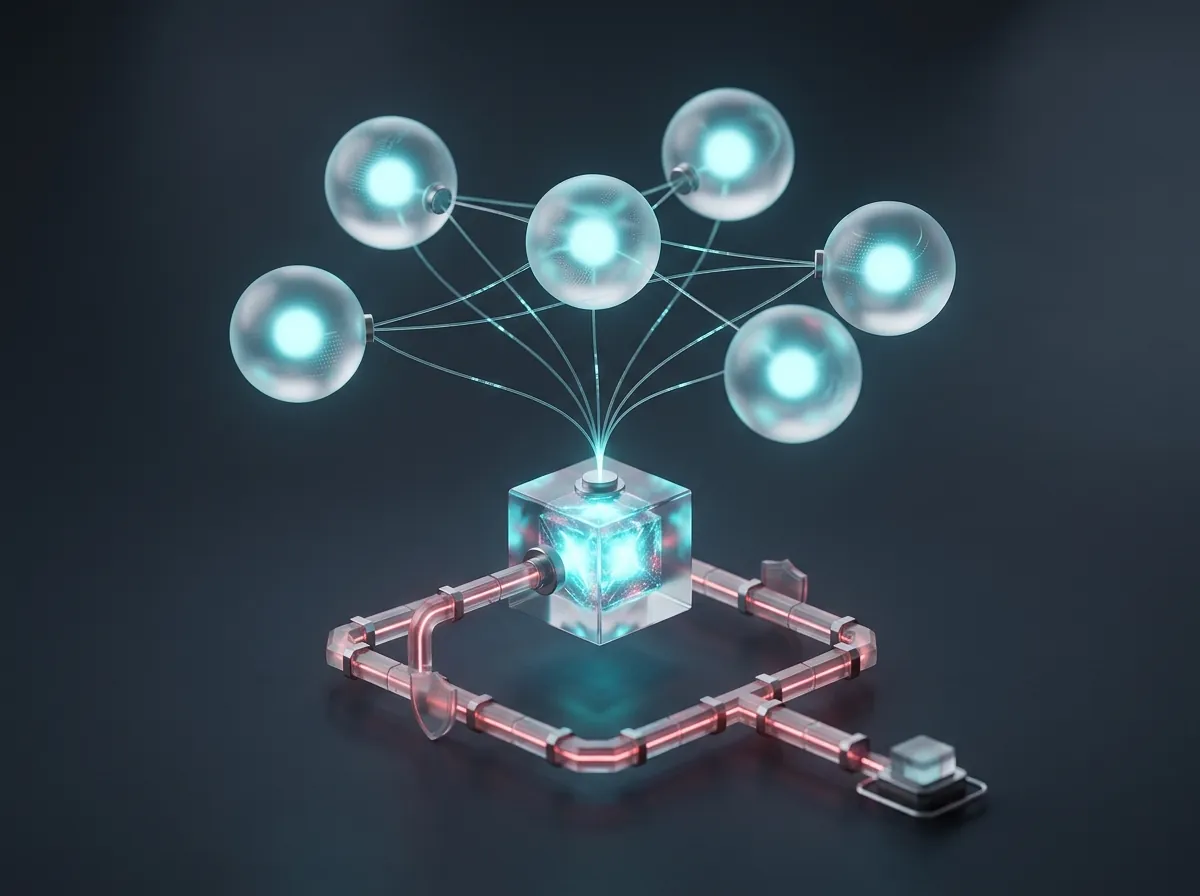
A robust edge AI implementation processes raw video feeds locally on edge hardware (like NVIDIA Jetson or Google Coral). Only structured metadata alerts and anomaly timestamps are transmitted to cloud dashboards, dramatically cutting infrastructure overhead while adhering to strict privacy regulations.
Benefits of Edge AI Implementation:
- Zero Recurring Cloud Bandwidth Fees: High-definition video streams never leave facility boundaries.
- Sub-10 Millisecond Latency: Essential for real-time robotic emergency stops and hazardous area safety triggers.
- Privacy & Compliance: Satisfies strict biometric regulations (GDPR, CCPA, HIPAA) by discarding raw video after local feature extraction.
Partnering with JabiruLabs for Custom Computer Vision Engineering
At JabiruLabs, our computer vision engineers provide end-to-end delivery: proprietary image dataset collection, semi-automated bounding box annotation, model fine-tuning (YOLO, ResNet, ViT), TensorRT quantization, and hardware deployment on edge microcomputers.
Explore our AI models and computer vision services to learn how visual intelligence can automate your operations.
Key Engineering Takeaways
- • Invest in dataset diversity (lighting variations, camera angles, weather noise) before training deeper neural networks.
- • Optimize models with INT8/FP16 quantization to achieve high FPS inference on cost-effective edge silicon.
- • Contact our AI engineering specialists to build a working computer vision proof of concept.
Frequently Asked Questions
What are the most profitable computer vision applications for commercial businesses in 2026?
The highest-ROI computer vision applications include automated manufacturing defect detection, retail shelf inventory tracking, automated biometric access control, PPE compliance monitoring in industrial facilities, and diagnostic radiology assistance in healthcare.
Why is edge AI implementation critical for computer vision applications?
Edge AI implementation runs computer vision models directly on local hardware (such as NVIDIA Jetson microcomputers or edge gateways). This eliminates massive cloud video streaming bandwidth fees, reduces latency to under 10 milliseconds for emergency stops, and keeps sensitive biometric data private on-premise.
How accurate are modern real-time YOLO object detection models?
Modern vision models like YOLOv10 and fine-tuned Vision Transformers achieve mean Average Precision (mAP) exceeding 94–98% on specialized industrial datasets while processing video at 30 to 60 frames per second on edge microchips.
What is the typical cost payback timeline for industrial computer vision applications?
Most automated visual inspection and inventory monitoring systems achieve full capital payback within 6 to 12 months by reducing human inspection error rates by up to 90% and preventing defective inventory shipments.